EXTINCTIONS × EARTH
Chicxulub and the End of the Dinosaurs
66.0 million years ago
Phanerozoic · Cenozoic · Paleogene · Paleocene
An asteroid some ten kilometres across struck a shallow sea off the Yucatán sixty-six million years ago, on a day of the northern hemisphere spring.
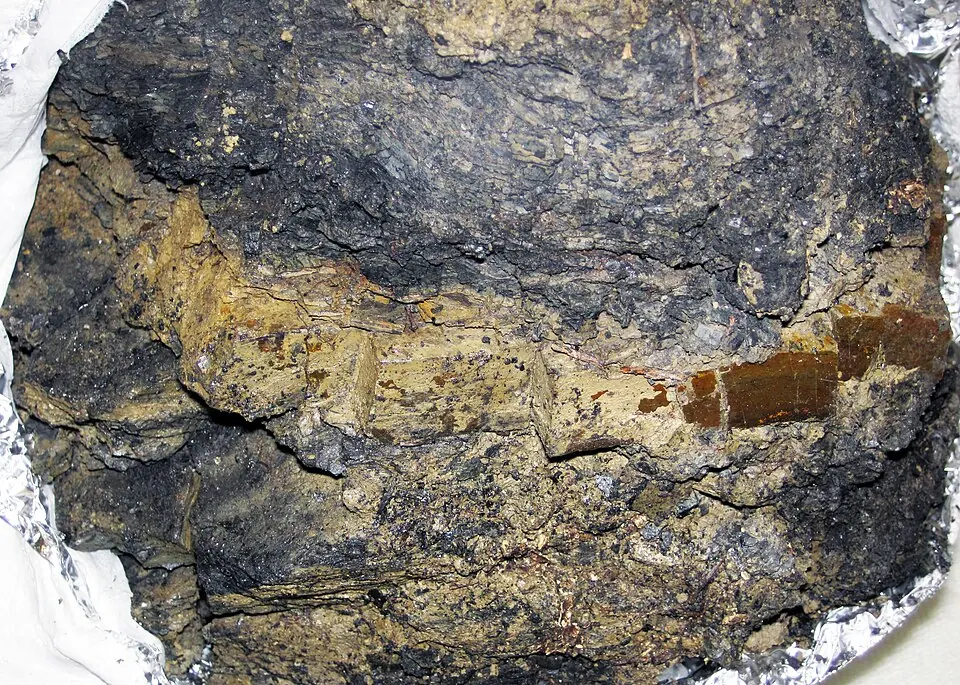
The Chicxulub impact is the fall of an asteroid some ten kilometres across into a shallow sea off the Yucatán, 66 million years ago. The season of the impact was established by During and colleagues (2022) from fish killed on the day itself: their bones show that growth stopped in the northern hemisphere spring. The impact injected vaporised rock into the stratosphere, a high layer of the atmosphere, together with sulfates, which are compounds of sulfur. It also started fires on a continental scale. The darkening of the sky that followed lasted several years. About three quarters of species disappeared, including all dinosaurs but one branch of them, the birds.
Why it matters
At the end of the Cretaceous, the geological period that ended with the impact, the yearly cycle of animals differed from one lineage to the next. Breeding, feeding and hibernation fell in different months, and so did aestivation, the torpor in which an animal spends the dry season. The impact fell in the northern hemisphere spring and so caught each lineage at a different moment of its yearly cycle. The hypothesis put forward is that this offset explains in part which lineages survived.
Dating & uncertainty
The impact and its date are established by three lines of evidence. The first is the crater. The second is shocked quartz, a mineral whose crystal structure was marked by the shock wave. The third is a worldwide layer of iridium, a metal that is rare in the Earth's crust and abundant in meteorites. The discussion turns on the share of the extinction crisis attributable to the asteroid alone, since the Deccan eruptions in India were under way at the same time. Chiarenza and colleagues (2020) modelled the habitats of dinosaurs under each of the two causes. The impact winter, meaning the years of darkening that followed the impact, would have removed those habitats across the planet, whereas the warming caused by the eruptions would have extended them. The eruptions would therefore have eased the crisis rather than deepened it.
Earth history as one day
23:39:0320 min 56 s before midnight
if Earth’s 4.54 billion years were compressed into a single day