LIFE × EVOLUTION
The Rise of Algae in the Ocean
~659 to 645 million years ago
Proterozoic · Neoproterozoic · Cryogenian
The rise of algae is the replacement of bacteria by algae as the main producers of organic matter in the open ocean, between 659 and 645 million years ago.
The rise of algae is the change by which algae became the primary producers of the open ocean. Primary producers are the organisms that build organic matter from light and inorganic carbon, and all other marine life depends on them. Until the Cryogenian period, bacteria were the only significant primary producers, and older rocks contain barely any molecular fossils of algae. Molecular fossils are molecules made by organisms and preserved in rock. In the narrow warm interval between the two snowball glaciations, when ice covered the planet, 659 to 645 million years ago, steroids, fatty molecules made by algae, become both abundant and varied. The trigger appears to have been meltwater. When the ice of the Sturtian, the first of these glaciations, melted, the water flushed nutrients from the continents into the sea. This supply ended the dominance of the cyanobacteria, bacteria that live on light.
Why it matters
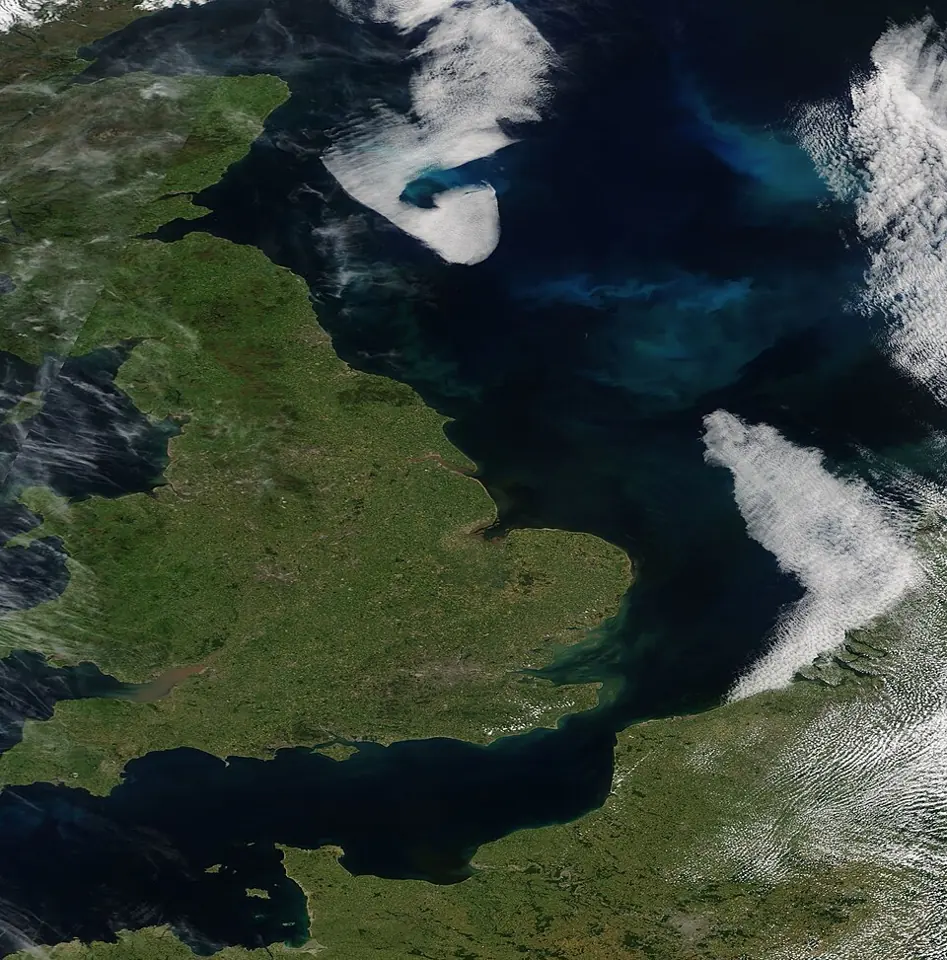
An alga is a far larger food resource than a bacterium, and it sinks. A greater share of what is fixed at the surface, the organic matter that producers build there, therefore reaches the organisms below. On a present-day sea floor under deoxygenated water, water that has lost its oxygen, algal debris alone suffices to activate single-celled predators. The ocean became more crowded, and it began to transfer its production downward.
Dating & uncertainty
The evidence for the rise of algae is molecular. Steroids become abundant in rocks deposited between the Sturtian and the Marinoan, the two snowball glaciations. Molecular fossils such as these can migrate through rock, so a molecule may not belong to the layer in which it is found. The dating of the rise of algae therefore depends on rigorous sampling.
Earth history as one day
20:30:583 h 29 min before midnight
if Earth’s 4.54 billion years were compressed into a single day