CLIMATE × LIFE
The Carboniferous Rainforest Collapse
~305 million years ago
Phanerozoic · Paleozoic · Carboniferous
The Carboniferous rainforest collapse is the break-up into isolated patches of the wet equatorial forests that produced most of the world's coal, as the climate dried about 305 million years ago.
The Carboniferous rainforest collapse is the fragmentation of the wet equatorial forests that produced most of the world's coal. As the climate dried, a continuous forest broke into separate patches. Among the animals living in these patches, amphibians still had to lay their eggs in water. Amniotes, the vertebrates that today include reptiles, birds and mammals, had the amniote egg, which contains its own fluid, and could lay it away from water.
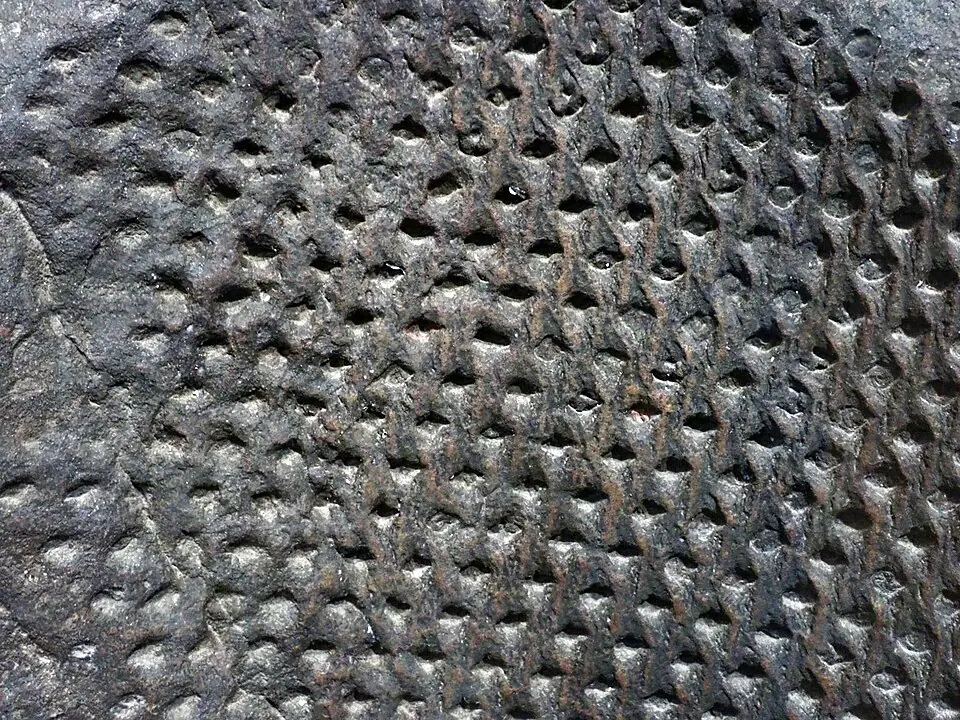
Why it matters
Once the climate dried, crossing the bare ground between patches depended on the amniote egg. Researchers have since used the collapse as the test case for a more general question: does breaking a habitat into fragments drive the animals in it to diversify, or does it reduce their diversity?
Dating & uncertaintyDisputed
The fragmentation of the forests under a drying climate is not disputed. Its consequences for tetrapods, the four-limbed vertebrates, are disputed. Sahney, Benton and Falcon-Lang (2010) concluded that tetrapods diversified in the isolated patches into endemic forms, that is, forms confined to one area. In a later reanalysis, Dunne and colleagues (2018) corrected for uneven sampling, the fact that some places and times have yielded more fossils than others, and found the opposite: a fall in diversity followed by wider geographic ranges. They attribute the wider ranges to easier dispersal, the spread of animals to new areas, and to the diversification of amniotes.
Earth history as one day
22:23:151 h 37 min before midnight
if Earth’s 4.54 billion years were compressed into a single day