CLIMATE × EARTH
Snowball Earth
~717 to 635 million years ago
Proterozoic · Neoproterozoic · Cryogenian
Snowball Earth is the name of two glaciations of the Cryogenian period, between 717 and 635 million years ago, during which ice sheets reached the sea at every latitude, the tropics included.
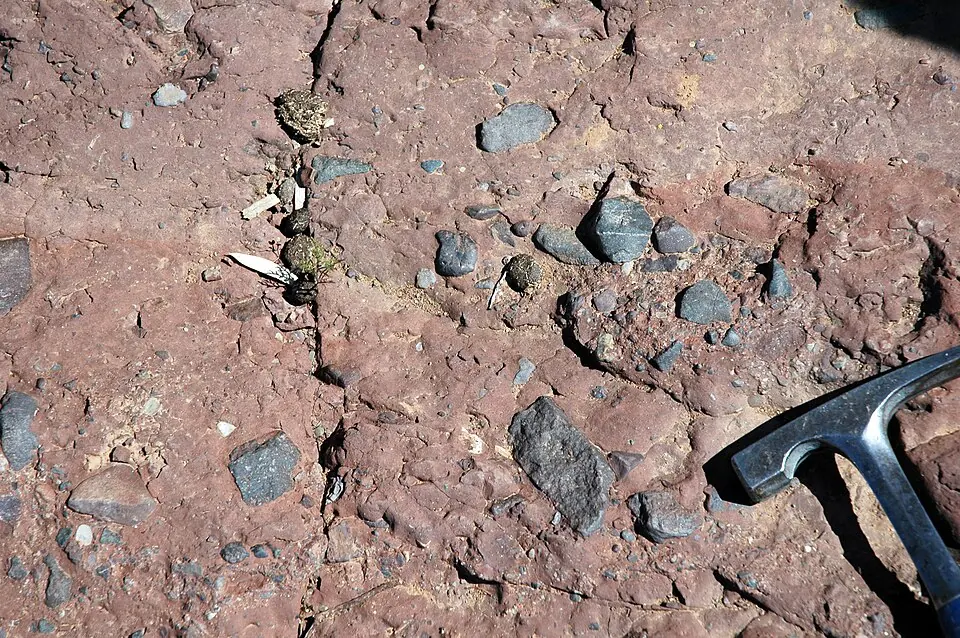
Snowball Earth designates episodes in which ice sheets reached sea level at every latitude, the tropics included, and were thick enough to rest on the seabed. Two such episodes occurred in the Cryogenian period. The proposed mechanism is an ice-albedo feedback, albedo being the share of sunlight that a surface reflects. Ice reflects sunlight where open water absorbs it, so advancing ice cools the planet further, and the cooling makes the ice advance again. Past a certain latitude, the ice advances until it reaches every latitude. The first episode, the Sturtian, lasted 56 million years, and the second, the Marinoan, about four. Between the two the planet had at most twenty million years of open water. During that interval, algae displaced bacteria in the plankton of the ocean, the organisms that drift in the water.
Why it matters
Life survived the harshest climate the planet has produced, and the organisms that feed the ocean changed. In the brief interval between the two glaciations, algae established themselves at the base of the marine food web, where they are the food on which other organisms depend. The second glaciation was short, which may explain why animals were still present afterwards, in an ocean fed by algae.
Dating & uncertainty
Snowball Earth consists of two distinct glaciations. The Sturtian lasted about 56 million years and the Marinoan closer to four. The duration of the Marinoan is the less established of the two: published estimates run from four to fifteen million years. Researchers dated the start and end of each glaciation from the rocks just below and just above its glacial deposits. They used two methods: uranium-lead dating, which measures the decay of uranium into lead, and rhenium-osmium dating, that of rhenium into osmium.
Earth history as one day
20:12:343 h 47 min before midnight
if Earth’s 4.54 billion years were compressed into a single day