SUBSISTENCE × TECHNOLOGY
The Green Revolution
~1965 CE
History · Contemporary · Holocene · Meghalayan
From the mid-1960s, semi-dwarf wheat and rice varieties, grown with fertiliser and irrigation, raised harvests, and by the 1990s they covered three quarters of Asia's rice fields.
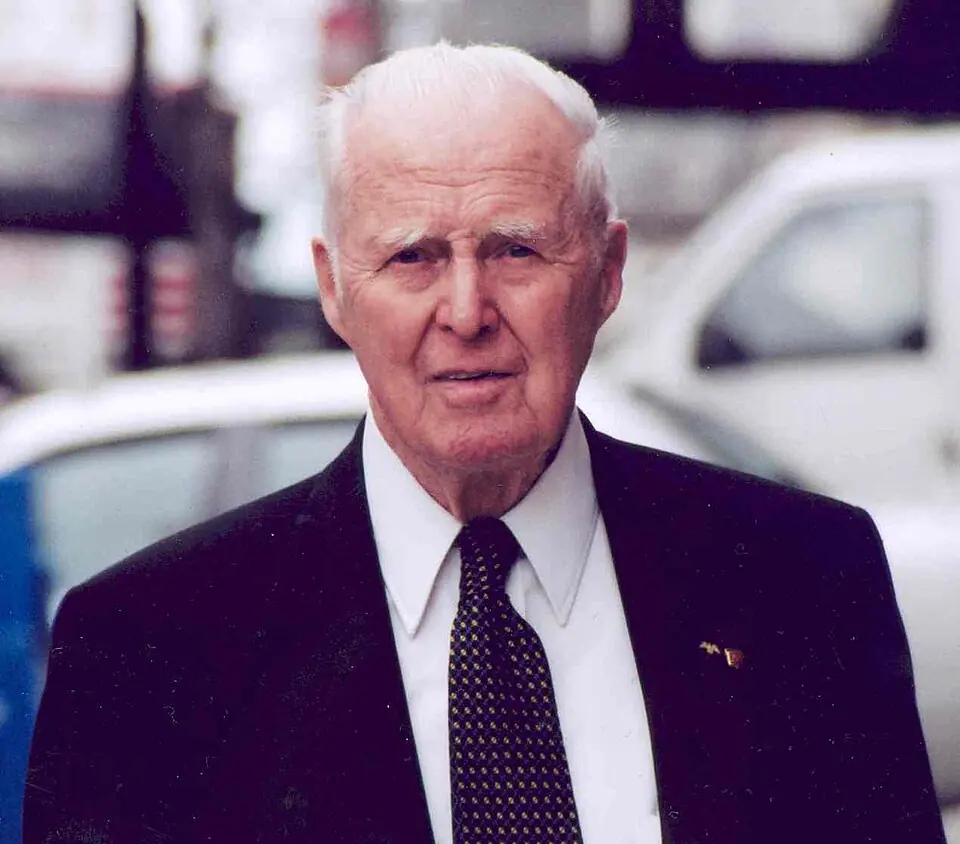
The Green Revolution designates the diffusion, from the mid-1960s, of semi-dwarf wheat and rice varieties issuing from the international agricultural research centres and their national partners, associated with nitrogen fertiliser and irrigation. The reduced height of the stem constitutes its principle. Applied to an older wheat, a heavy dose of fertiliser produces mainly straw, and the weighted ear lays the plant on the ground at the first rain, the harvest rotting where it lies: this is lodging. A short, rigid stem carries a heavy ear without bending, so that the additional nitrogen is directed into the grain. Norman Borlaug, breeder of the Mexican wheats at the origin of the programme, received the Nobel Peace Prize in 1970. By the 1990s these varieties covered three quarters of Asia's rice fields.
Why it matters
Econometric studies attribute to high-yielding varieties a rise of about 44 per cent in developing-world yields between 1965 and 2010. The famines forecast for the end of the twentieth century in Asia largely did not occur, a result to which this plant breeding, organised as an international public programme, contributed decisively. The gains were uneven, bearing on irrigated land and staple cereals rather than on rainfed crops and legumes, and entailed environmental costs linked to inputs and water abstraction.
Dating & uncertainty
Diffusion of the modern varieties begins in the mid-1960s, at rates varying by crop and region. The numerical estimate proceeds from models and not from a count: a ten-year delay in their adoption would have left, in 2010, gross domestic product per head 17 per cent lower and the developing world more populous by 223 million people.
Our species’ history as one day
23:59:4316.7 s before midnight
if the 315,000 years of Homo sapiens were compressed into a single day