SUBSISTENCE × TECHNOLOGY
The Domestication of the Horse
~2200 BCE (debated)
History · Bronze Age · Holocene · Meghalayan
All modern domestic horses descend from one population bred in the steppes between the Volga and the Don, which spread across Eurasia from about 2200 BCE.
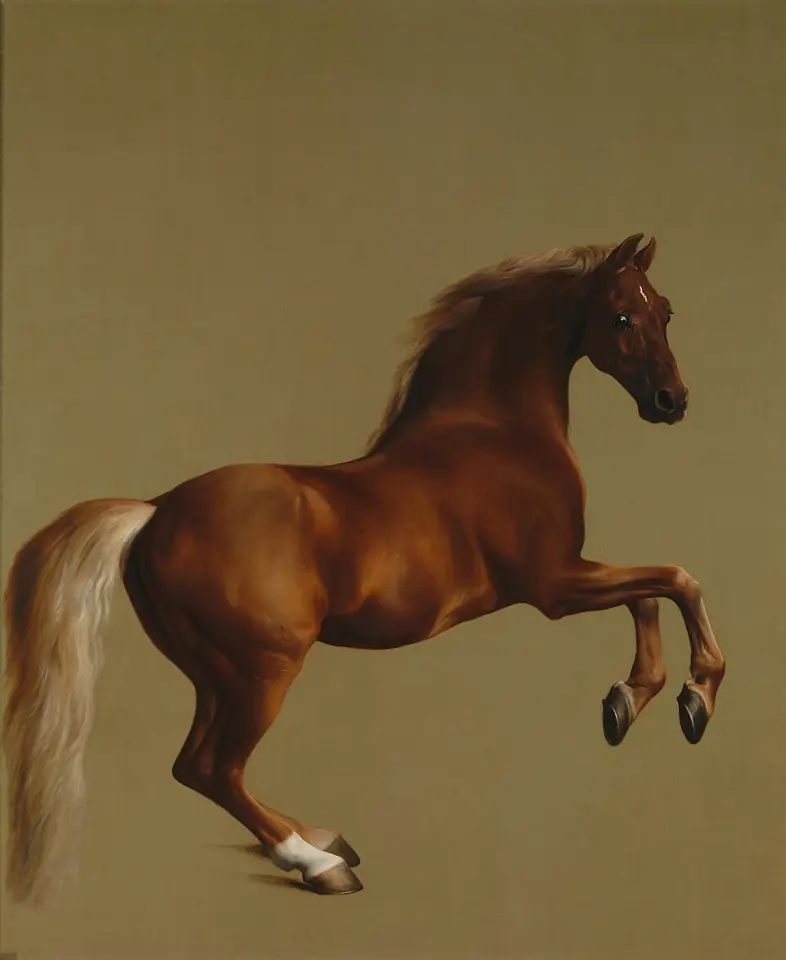
The domestication of the horse, Equus caballus, as ancient genomes document it, proceeds from a single population bred in the steppes between the Volga and the Don, designated DOM2 in the literature, from which all present-day domestic horses descend. This lineage spreads across Eurasia from about 2200 BCE, simultaneously with the spoke-wheeled chariot, and replaces almost all other lineages within a few centuries. Its genomes carry traces of selection bearing on endurance and temperament; the inference proceeds in two stages, the identification of positions that evolved abnormally fast at the time of the expansion, the signature of selection, then examination of the known function of those genes in present-day horses and mammals. An earlier domestic population, exploited at Botai a millennium before, left only negligible descent.
Why it matters
The horse constitutes, until the railway, the fastest means of movement available for people, armies and information. Its adoption transforms the distances practicable across steppe country, permits the chariot and then cavalry, and accompanies the diffusion of languages and political formations. Its genome preserves the trace of a very narrow breeding bottleneck, the paternal lineages reducing almost to one.
Dating & uncertaintyDisputed
Ancient genomes date the expansion of the DOM2 lineage to between about 2200 and 2000 BCE. The exploitation of horses at Botai, around 3500 BCE, is established, but no present-day breed descends from it. Whether earlier populations, including the Yamnaya, already practised riding remains contested, recent work supporting management and riding prior to the DOM2 expansion.
Our species’ history as one day
23:40:4819 min 12 s before midnight
if the 315,000 years of Homo sapiens were compressed into a single day