EVOLUTION × LIFE
The Amniotic Egg
~318 million years ago (tracks suggest ~356 Ma)
Phanerozoic · Paleozoic · Carboniferous
The amniotic egg, which dates from about 318 million years ago, is an egg that develops on land, with an embryo floating in fluid inside a membrane called the amnion and a shell enclosing the whole egg.
The amniotic egg is an egg with three membranes inside a shell. The embryo floats in fluid inside the first membrane, the amnion. The second, the chorion, allows gas exchange, the passage of gases in and out of the egg. The third, the allantois, stores the embryo's waste. Vertebrates with this egg no longer had to return to water to breed. Almost as soon as they appeared, these vertebrates, the amniotes, divided into two branches. One branch leads to mammals, the other to reptiles and birds.
Why it matters
Land vertebrates that lack the amniotic egg depend on ponds and watercourses for breeding. Vertebrates that have it reach the dry interior of the continents. The two great lineages of land vertebrates alive today, mammals on one side and reptiles and birds on the other, both descend from the group that had this egg.
Dating & uncertaintyDisputed
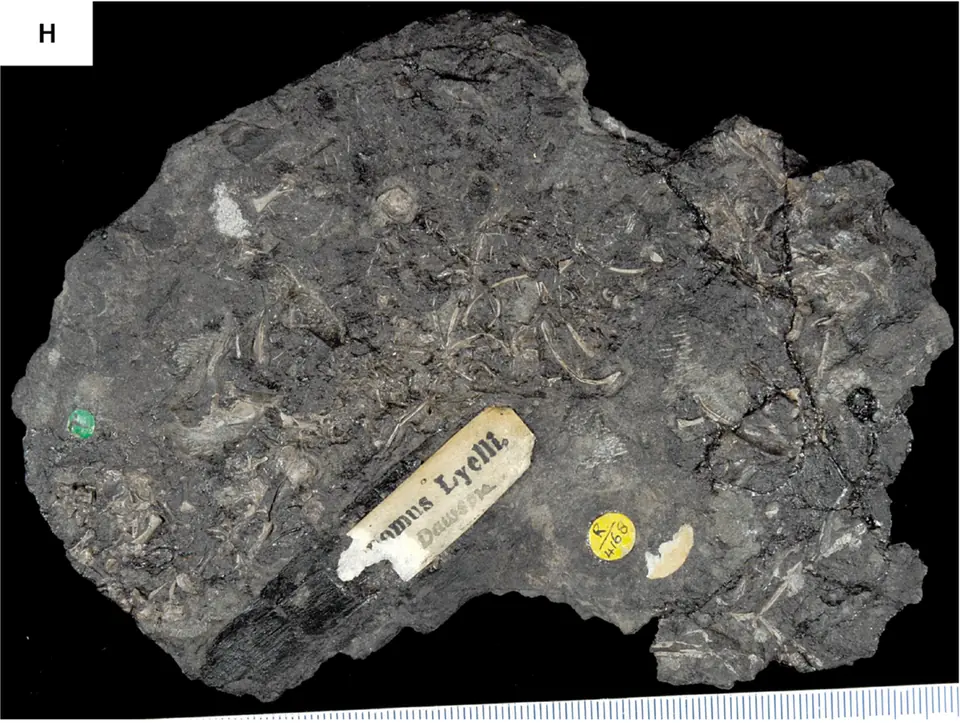
The oldest body fossils of amniotes are skeletons from about 318 million years ago. Long and colleagues (2025) described Australian trackways, series of footprints, dated to about 356 million years ago. The prints show claws and the authors attribute them to an amniote. If the result is confirmed, amniotes are at least 35 million years older than these skeletons.
Earth history as one day
22:19:081 h 41 min before midnight
if Earth’s 4.54 billion years were compressed into a single day