LIFE × EVOLUTION × GENETICS
The Origin of the Chloroplast
~1.9 billion years ago
Proterozoic · Paleoproterozoic · Orosirian
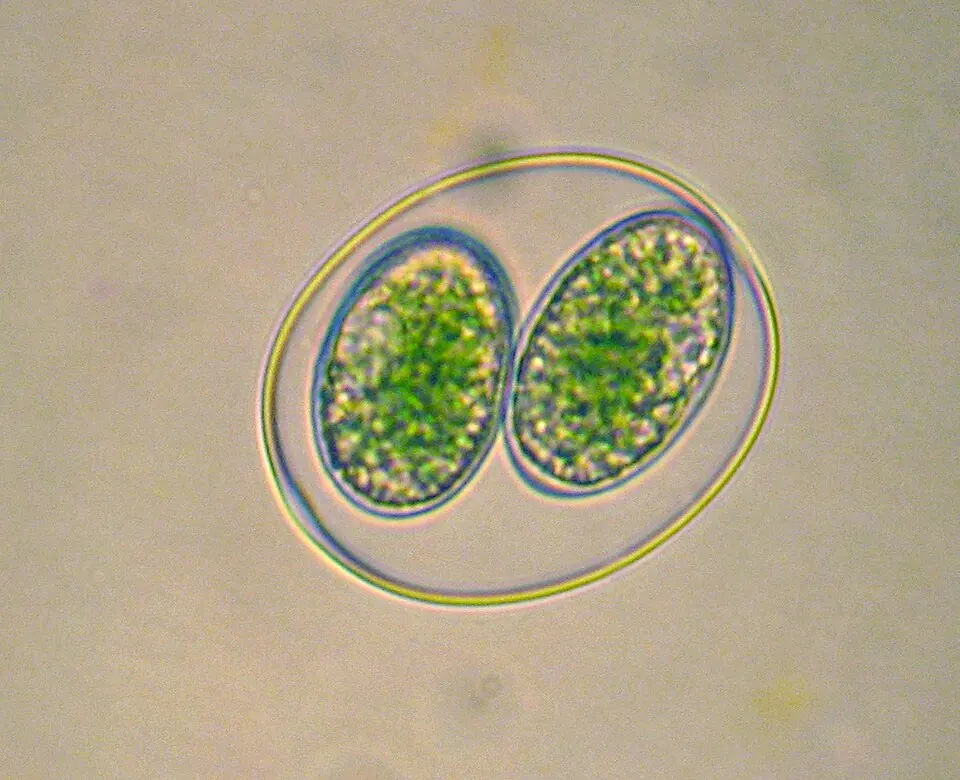
The chloroplast, the cell compartment where light is turned into sugar, began as a cyanobacterium, a photosynthetic bacterium, that another cell captured and kept about 1.9 billion years ago, probably in fresh water.
The chloroplast is the compartment in which light is converted into sugar. It began as a cyanobacterium. A eukaryotic cell, that is, a cell with a nucleus, captured this cyanobacterium and retained it, most probably in fresh or only faintly saline water. The capture happened once and is known as primary endosymbiosis, endosymbiosis being the lasting presence of one organism inside another. This capture is the origin of the red algae, the green algae and every land plant. The closest living relative of the captured cyanobacterium is Gloeomargarita, a freshwater lineage of cyanobacteria that still photosynthesises independently.
Why it matters
Photosynthesis had existed for a billion years when the capture of a cyanobacterium brought it into complex cells. From those cells, photosynthesis later reached the continents with the land plants.
Dating & uncertainty
Molecular clocks estimate when two lineages separated from the differences between their genes. They place the separation of the chloroplast lineage from its closest cyanobacterial relative around 2.1 billion years ago, and the common ancestor of red algae, green plants and glaucophytes, another group of algae, around 1.9 billion years ago. The capture falls between these two dates. These estimates vary with the clock model and with the fossil calibrations, the dated fossils that set the clock.
Earth history as one day
13:57:2110 h 3 min before midnight
if Earth’s 4.54 billion years were compressed into a single day