EXTINCTIONS × ANTHROPOCENE
The Sixth Extinction
since about 1900 CE
Phanerozoic · Cenozoic · Quaternary · Holocene · Meghalayan
The sixth extinction is the name given to the disappearance of vertebrate species, since about 1900, up to a hundred times faster than the background rate, the rate of extinction between mass extinctions.
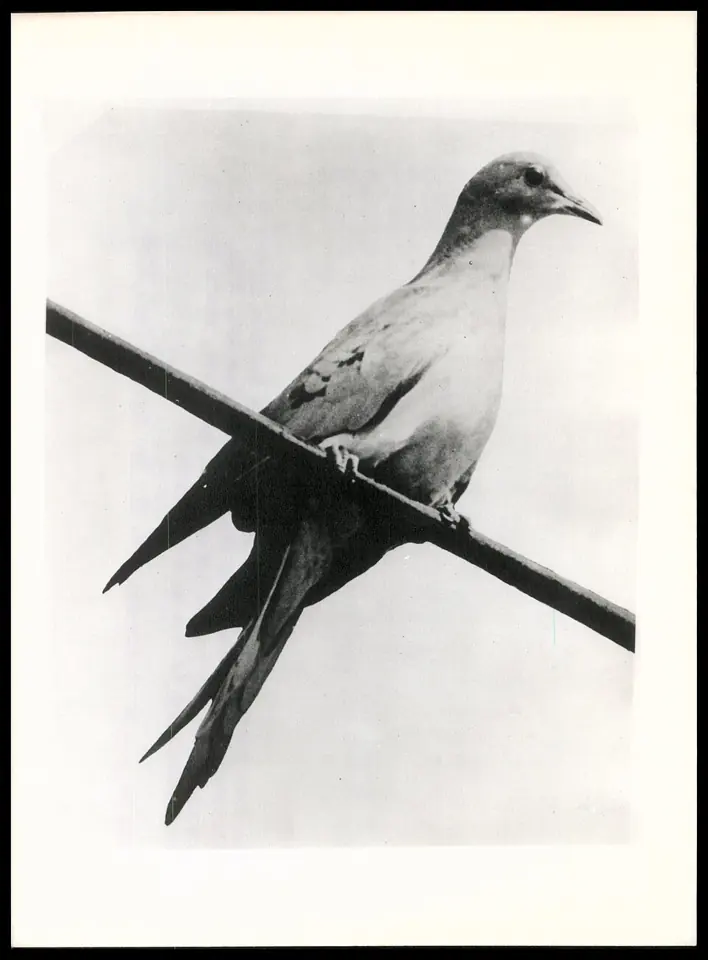
The sixth extinction is the name given to the present disappearance of species. Species of vertebrates, the animals with a backbone, are disappearing up to a hundred times faster than the background extinction rate. The background rate is measured in the fossil record for intervals without a mass extinction, a crisis in which a large share of species disappears. Any present rate must be judged against it. Within the surviving species, populations are declining faster still, a process termed defaunation. Ceballos and colleagues (2017) examined 177 mammal species in detail, and every one has lost at least 30 per cent of the range, or area of distribution, that it occupied in 1900.
Why it matters
The five earlier crises on this timeline had causes independent of any decision, chiefly volcanism and impacts, the collisions of bodies from space with the Earth. The sixth has one species, humans, as its cause. It can therefore be countered by a decision, which was true of none of the five others. The ozone hole, further along this timeline, is the example of such a decision.
Dating & uncertainty
Whether current losses already reach the level of a mass extinction, of the kind preserved in the fossil record, depends on how extinction rates are estimated. Even deliberately conservative estimates put current losses far above the background rate.
Earth history as one day
23:59:59.99762.4 ms before midnight
if Earth’s 4.54 billion years were compressed into a single day