CLIMATE × EARTH
The Huronian Glaciations
~2.45 to 2.22 billion years ago
Proterozoic · Paleoproterozoic · Siderian
The Huronian glaciations, between 2.45 and 2.22 billion years ago, were the first ice ages of global extent, and are thought to have begun when oxygen destroyed the methane greenhouse, the methane that kept the Earth warm.
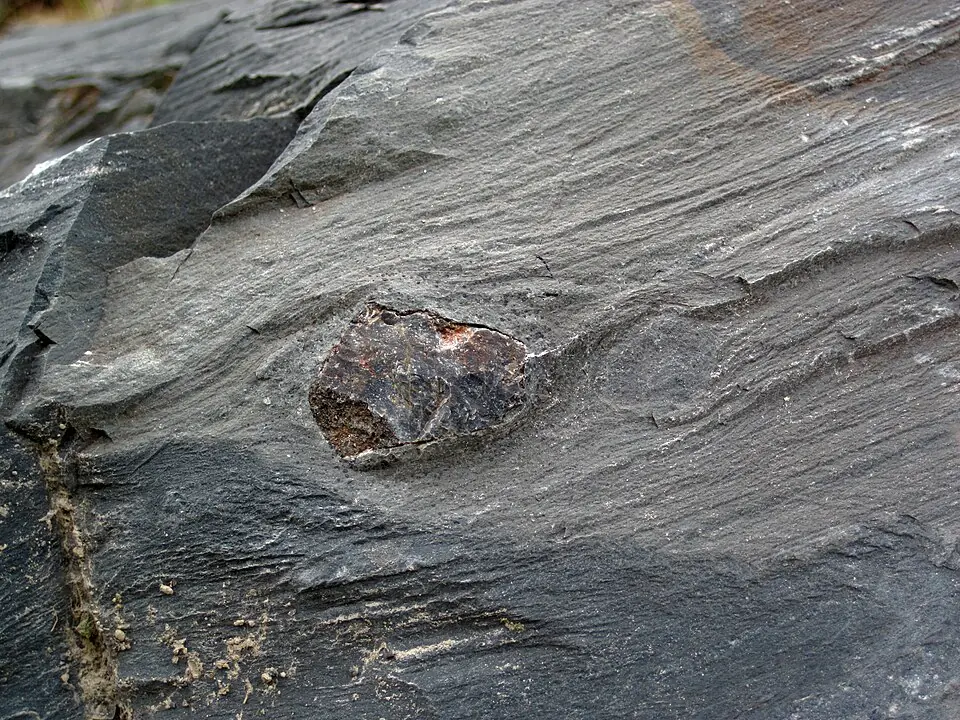
The Huronian glaciations are a series of glacial episodes, the first ice ages of global extent. Before them, the methane greenhouse had kept the young Earth warm under a fainter Sun. Cyanobacteria, bacteria that carry out photosynthesis, then released oxygen. Methane reacts with oxygen and cannot persist in air that contains oxygen. The oxygen is therefore thought to have destroyed the methane greenhouse, and as the methane disappeared the planet lost the gas that retained its heat. The ice sheets spread four times in two hundred million years. In the last of the four episodes they may have joined at the equator and covered the whole planet.
Why it matters
Oxygen, a waste product of photosynthesis, may have brought the planet to the brink of complete glaciation. The Huronian glaciations are the first climatic catastrophe with a biological cause.
Dating & uncertainty
Researchers date four glacial episodes between 2.45 and 2.22 billion years ago. They dispute whether the last episode, the Makganyene event, glaciated the planet as far as the equator. They also dispute the correlation between the Canadian and South African glacial deposits, meaning which deposits in the two regions have the same age. The order of these deposits in time determines which glaciations the rise of oxygen could have caused.
Earth history as one day
11:18:4512 h 41 min before midnight
if Earth’s 4.54 billion years were compressed into a single day